
Buying a holiday home gives you the freedom to enjoy spontaneous getaways, peaceful breaks, and quality time in a location you love. Whether you’re browsing holiday homes for sale in Yorkshire or considering one of the many beautiful lodges in the Dales, it’s important to make sure you’re choosing the right fit for your lifestyle.
Here are 10 essential questions to ask before buying a holiday home:
1. Is this the right location for me?
Location is one of the most important factors when buying a holiday home. Consider how far you’re happy to travel, the type of scenery that inspires you, and what local attractions or amenities you want nearby. At Thorpe Farm, our tranquil park is perfectly positioned on the edge of the stunning Yorkshire Dales, offering breathtaking countryside views, scenic walking trails, and a range of on-site facilities to enhance your stay. If you’re exploring holiday homes for sale in Yorkshire, be sure to choose a location that truly feels like your ideal retreat.
2. What type of holiday home suits my needs?
When it comes to buying a holiday home, choosing the right type is one of the most important decisions you’ll make. Do you want the simplicity and convenience of a static caravan, or are you looking for the space and comfort that a luxury lodge can offer?
Static caravans are ideal if you’re after a low-maintenance option for weekend breaks or spontaneous getaways. They’re often more affordable, quicker to set up, and come in a wide range of layouts — perfect for couples or smaller families dipping their toes into caravan ownership.
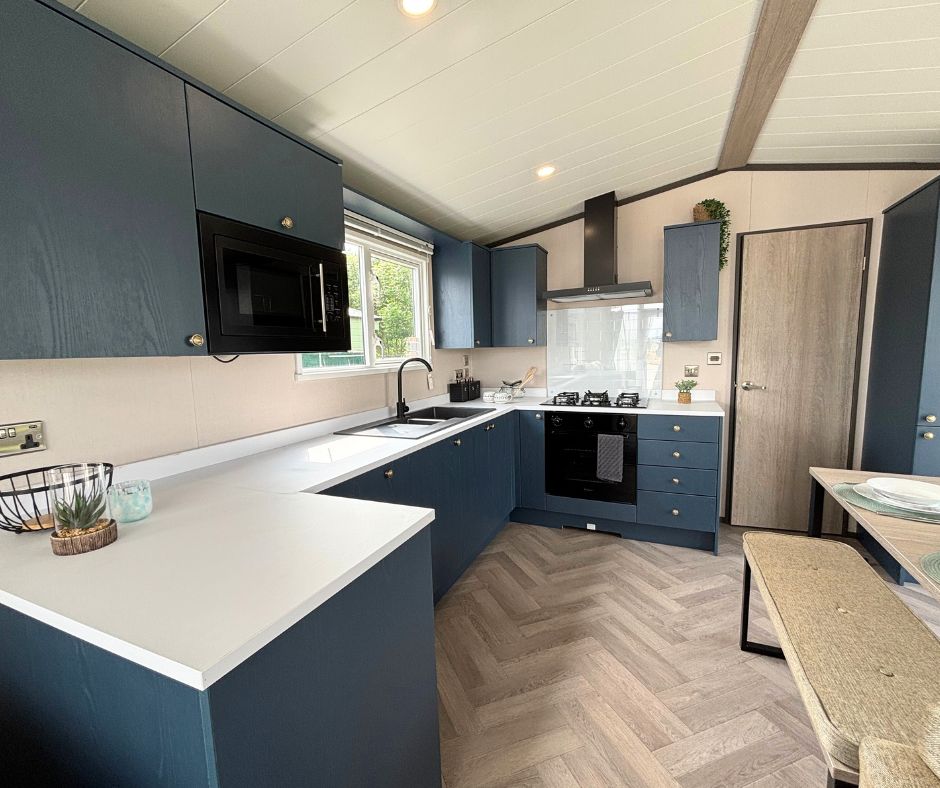
Lodges, on the other hand, offer a real sense of home-from-home living. With full-sized kitchens, spacious living areas, en-suite bathrooms, and premium finishes, they’re ideal for longer stays or for those who want a little more luxury. If you’re looking at lodges to buy in Yorkshire, you’ll find everything from sleek, modern interiors to cosy, countryside-inspired designs — perfect for making the most of your downtime.
Think about how many people will be staying regularly, how often you’ll use the holiday home, and what kind of lifestyle you want while you’re away. Whether you’re a solo traveller, a couple, or a growing family, there’s something to suit every need — from practical caravans to beautifully designed lodges in the Dales.
3. What are the full costs involved?
Understanding the full cost of buying a holiday home is essential before making your decision. Beyond the initial purchase price, there are several ongoing expenses that you’ll need to factor in to get a clear picture of your total outgoings.
Start by asking for a detailed breakdown of the purchase price, including any extras such as decking, furniture packages, or upgrades. Next, find out the annual pitch fees — these are the charges you pay to rent the plot your holiday home sits on. Pitch fees usually cover site maintenance, security, and use of the park’s facilities, but the exact inclusions can vary.
Don’t forget to inquire about utility bills, which typically include water, electricity, and gas. Some parks charge for utilities separately based on your actual usage, while others include certain utilities in the pitch fees. Knowing how these are billed and the average costs can help you avoid surprises.
Insurance is another important consideration. While not always compulsory, holiday home insurance protects your property against damage, theft, or adverse weather conditions. Ask about recommendations for providers or if the park offers any insurance packages.
Additionally, ask if there are any regular maintenance or service charges, such as for annual safety checks, chimney sweeping (if applicable), or external cleaning.
By getting a clear understanding of all these costs upfront, you’ll be able to budget effectively and enjoy your holiday home without unexpected financial worries.
4. What do the pitch fees cover?
Pitch fees are a key part of the running costs when buying a holiday home, and they can vary depending on the location, size of your plot, and the type of park you choose. At their core, pitch fees usually cover the upkeep of the park and its facilities — this can include grounds maintenance, landscaping, security, waste disposal, and general site management. If the park has additional amenities like a play area, shop, café, or reception services, these may also be reflected in the fee.
It’s important to get a clear breakdown of what’s included, so you’re not caught off guard by hidden extras. Ask whether services like grass cutting or road maintenance are included, and whether there are different fee levels depending on the pitch you choose.
In addition to pitch fees, you’ll also need to budget for your utility bills. This typically includes gas, electricity, water, and sometimes drainage. Some parks bill these separately based on your usage, while others may offer packages or estimated charges. Make sure you understand how and when you’ll be billed, and whether prices are likely to change year to year.
Also ask about any scheduled annual increases in pitch fees and whether the park offers fixed pricing or multi-year agreements to help with budgeting. Knowing the full picture upfront makes holiday home ownership more enjoyable — and more manageable — in the long run.
5. Can I let my holiday home when I’m not using it?
If you won’t be using your holiday home all the time, it’s worth asking whether the park allows you to let it out to guests. Some holiday parks offer flexible subletting options during the open season, which can be a great way to make the most of your holiday home when you’re not there.
Start by checking the park’s letting policy — not all parks allow subletting, and those that do may have specific rules about how often you can let, what type of guests are allowed, and the standard of accommodation required. Some parks only permit “friends and family” stays, while others support fully managed holiday letting.
If letting is allowed, ask whether the park offers a letting service or if you’re free to manage bookings independently through platforms like Airbnb or Sykes. A park-managed scheme may include marketing, booking management, guest communication, cleaning, and linen services, which can save you time and effort. In return, the park may take a commission or charge a service fee, so it’s important to weigh the pros and cons.
You should also ask about safety and compliance — things like gas checks, smoke alarms, and insurance cover — which are usually required if you’re letting to paying guests.
While letting your holiday home isn’t for everyone, it can be a practical way to offset some of your running costs. If you’re looking at holiday homes for sale in Yorkshire and want the option to share your space with others, choose a park like Thorpe Farm that offers guidance and clarity around subletting from day one. Unfortunately we don’t offer subletting at Thorpe Farm.
6. What are the park rules and when is it open?
Most holiday parks operate on a seasonal basis, with set opening and closing dates throughout the year. Some are only open for 8 or 10 months, while others offer extended or year-round access. If you’re hoping to enjoy breaks in every season — including cosy winter getaways — it’s important to choose a park that fits your plans.
Thorpe Farm is open 12 months of the year, making it ideal if you’re looking for a 12-month holiday park in Yorkshire. While year-round parks like ours offer more flexibility, it’s still important to understand that holiday homes are typically for recreational use only, not full-time residential living.
Beyond the season, you’ll also want to ask about the park’s rules and regulations. Can you bring pets? Are you allowed to have guests stay over? Can you make changes to your pitch — such as adding decking, a storage box, or landscaping your space?
A good park will provide a clear outline of what’s allowed and what’s not, so you can feel confident that your holiday home experience will match your expectations — whether you’re relaxing with the family or enjoying a peaceful solo escape in the Dales.
7. What’s included in the sale?
When looking at holiday homes for sale in Yorkshire, it’s important to understand exactly what’s included in the purchase. The level of specification can vary significantly depending on the make and model of the holiday home, the park, and any current offers or promotions.
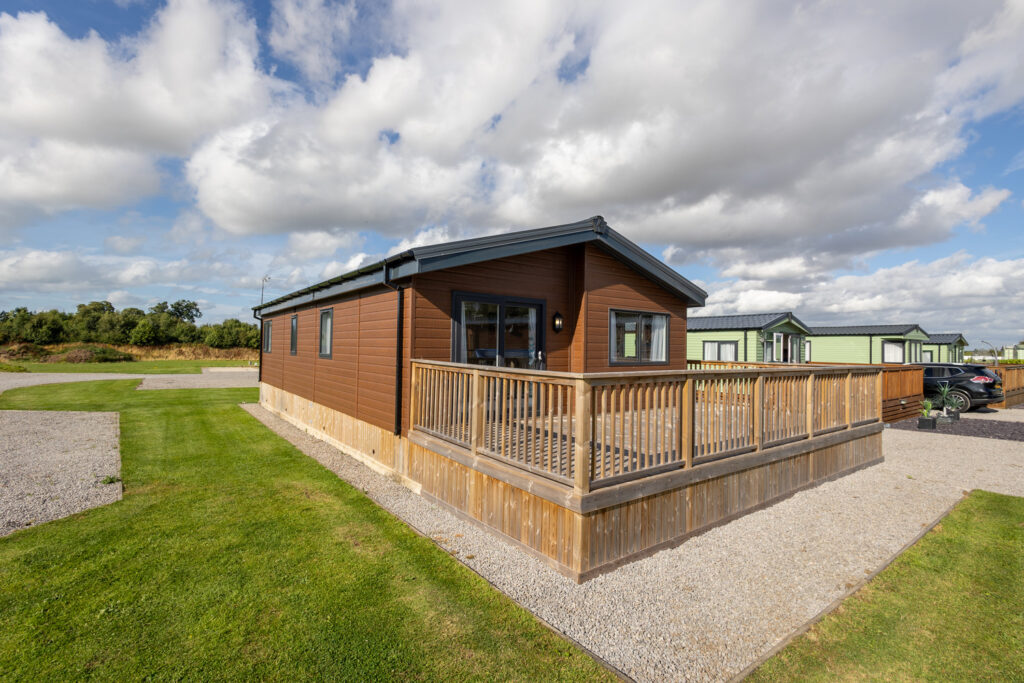
Some holiday homes come fully furnished with high-quality furniture, integrated kitchen appliances, central heating, and double glazing. You might also find packages that include extras like decking, skirting, steps, or even a private parking bay. In some cases, parks — like Thorpe Farm — may include your first year’s pitch fees, gas bottles, or connection costs to help make the buying process as simple and stress-free as possible.
On the other hand, some homes may come as a blank canvas, with minimal fittings or furniture, leaving you to add your own finishes. This can be a great opportunity if you want to personalise the space yourself, but it’s vital to budget for those extras ahead of time.
Always ask for a detailed inventory or a full list of what’s included in the price. This should cover not only furnishings and appliances, but also whether site fees, utility connections, or warranties are part of the deal.
Knowing exactly what you’re getting helps avoid unexpected costs and ensures your holiday home is ready to enjoy from day one.
8. Can I customise the holiday home or the pitch?
If you’d like to add decking, plant a small garden, or change the interior layout, ask what’s allowed. Many buyers enjoy putting their own stamp on their holiday space — it’s worth knowing what’s possible.
9. What support is available after the sale?
A good holiday park will offer support long after you’ve picked up the keys. Find out what kind of aftercare is available, whether the team is on-site, and how they handle maintenance requests or queries.
We hope you have found this blog useful! If you’d like to know more about Thorpe Farm Centre and our facilities, take a look at our other website here. You can take a look at Holiday Homes for Sale here.
